

TLDR
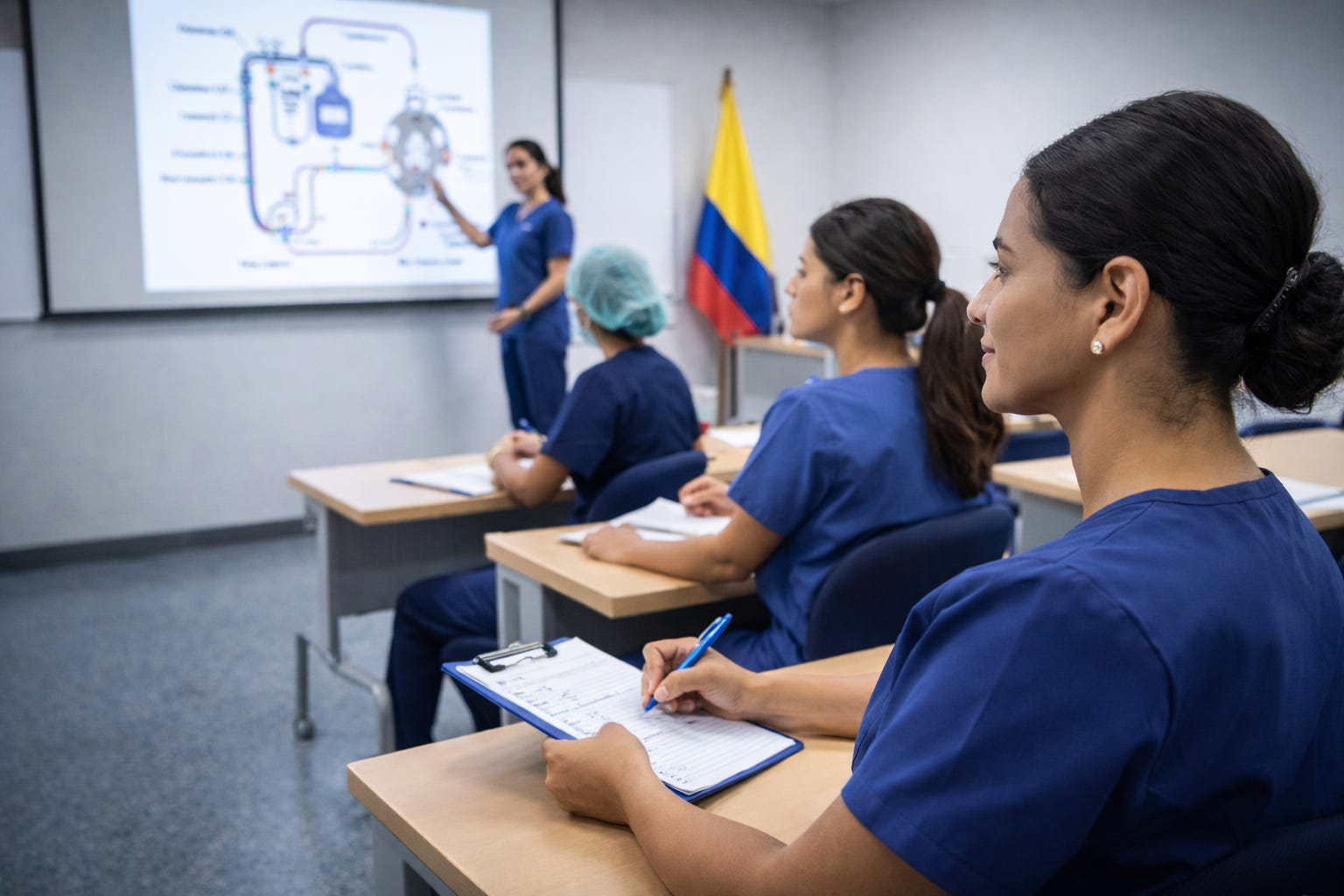
Interviews with 9 ECMO nurses in Colombia.
Training varied a lot across settings, so readiness varied too.
Supervised practice and simulation built confidence more than lectures.
Nurses saw competence as technical skill plus stress control and communication.
The setup
This study didn’t measure patient outcomes. It asked nurses to describe the training process in their own words.
Study snapshot
Location: Colombia, South America
Participants: 9 nurses involved in ECMO care
Approach: Qualitative interviews (experience-focused)
What nurses said, in plain terms
The pathway isn’t consistent. Some nurses described formal education routes. Many described local, institution-built training. When programs expanded fast (especially during COVID), onboarding could get compressed. The result was uneven preparation. In ECMO, uneven preparation shows up when the first real crisis becomes the first real learning moment.
The theory foundation can be thin. Nurses described a gap between the complexity of ECMO and how much structured teaching they received up front. Many tried to fill that with self-study. That helps, but it also creates variability. Two nurses can “self-study” and end up with two very different mental models.
Resources aren’t automatically usable. Being handed a reference is not the same as being taught. Nurses described barriers like dense material and language limitations. When learning materials feel out of reach, people shift toward shortcuts: memorized steps, copied notes, or partial understanding. That works until the case deviates from the script.
Mentorship and reps are what change confidence. Nurses valued supervised bedside time with experts. They described how coaching helped them connect the why to the what, and how psychological safety mattered. If a nurse can ask questions early and often, they build pattern recognition faster and make fewer silent mistakes.
Simulation mattered when patient exposure was limited. Nurses who had meaningful simulation described feeling more prepared when real problems occurred. Simulation gave them a safe place to practice recognition, communication, and response structure. It reduced panic. It helped them show up calmer when the room got chaotic.
Competence includes the human part of the job. Nurses described fear, insecurity, and emotional load, especially early on and during complications. They also described the pressure of team coordination and family communication. They saw these as real skills that training should address, not optional extras.
What this suggests for training programs
Standardize what “ready” means across sites and preceptors. Build a progression that includes supervised bedside reps and simulation before independent coverage. Make learning materials accessible and usable for the actual learners. Assess competence in a way that reflects real performance, not just completion.
Summary
In Colombia, nine ECMO nurses described training as uneven and often too dependent on local resources and timing. They emphasized supervised practice, strong mentorship, and simulation as the fastest route to real readiness. They also made it clear that safe ECMO care requires more than technical competence. It requires stress control, clear communication, and steady team function when things go wrong.
Your Turn
How does your unit currently train nurses and RTs for ECMO?
What’s non-negotiable before someone takes independent coverage?
How do you use simulation (if you do)?
What’s the biggest gap you still see in new ECMO specialists?
If this was useful, hit Like so more ECMO folks see it. If you want more posts like this, make sure you’re subscribed to this newsletter.
I also offer a free, additional newsletter for Families + ECMO patients: ecmo.life